
The United States launched Operation Epic Fury on February 28th. The next day, Chinese military aircraft stopped appearing near Taiwan. In the nine days that followed, PLA planes were detected near the island only one time.
This is not a coincidence. It is a deterrence dividend — and the mainstream press is barely covering it.
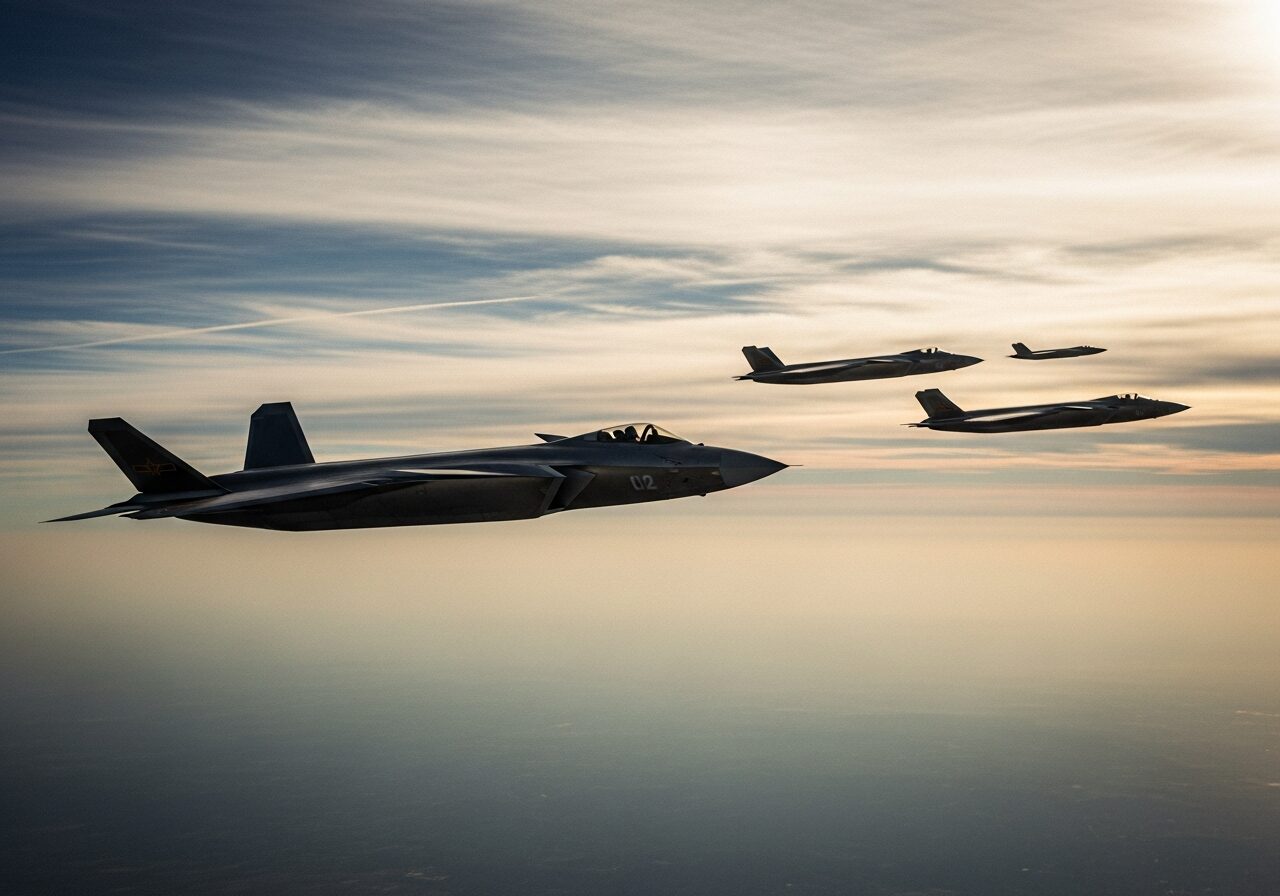
Here’s the scoreboard: since February 28, only two Chinese aircraft have been spotted buzzing over Taiwan. In the same period last year, the number was 86. Year over year since January, PLA flights into Taiwan’s Air Defense Identification Zone are down 46.5%. Nine of the last ten days logged zero air incursions. Naval vessels are still present — Beijing hasn’t disappeared — but the air campaign that has defined Chinese pressure on Taiwan for the past two years went nearly silent the same week America destroyed Iran’s military command.
Retired Navy Captain James Fanell didn’t mince words. He called the reduction a “defensive reaction” — direct evidence that U.S. military deterrence is working. When America demonstrates it will actually use force, the countries watching recalculate.
The analysts covering this story cite three factors.
Factor one: China’s annual National People’s Congress meetings are underway, and Beijing historically reduces provocative military activity during domestic political gatherings. True, and a real data point — but this pattern occurs every year. The scale of the reduction this year is not normal.
Factor two: Senior PLA commanders are being purged. General Zhang Youxia was removed from the Central Military Commission. Anti-corruption sweeps have disrupted military command structures, and some analysts attribute the flight reduction to operational disruption rather than strategic choice. Plausible — but it doesn’t explain the timing, which tracks almost exactly with the Iran strikes.
Factor three — the one nobody is leading with: Trump is scheduled to meet Xi Jinping in Beijing on March 31. Beijing is auditioning for that meeting. A senior Taiwan security official explained the signal Xi is sending: “I am peaceful, I am moving toward peace, so you should stop selling weapons to Taiwan.” That is not de-escalation. That is a negotiating posture. Beijing wants to walk into the summit looking like the reasonable party.
Now add the Iran variable. China was importing 1.38 million barrels of Iranian oil per day — roughly 12% of its total consumption — at a discount of $8 to $10 per barrel below market rate. That supply line just got severed. Xi is walking into a summit with Trump while managing an energy supply shock, a military command structure in upheaval, and fresh evidence that the United States is willing to kill foreign heads of state. The cost-benefit calculation on Taiwan provocations just changed in every direction simultaneously.
Retired Navy Captain Carl Schuster gave the most specific prediction of any analyst covering this story: Chinese sorties will resume approximately 30 days after Trump returns from Beijing. Read that carefully. Schuster isn’t predicting that the pullback is permanent — he’s predicting that it lasts exactly as long as Xi needs it to for diplomatic purposes, and then the pressure resumes.
That timeline puts the resumption in early May 2026. If Schuster is right, the question isn’t whether China backs down permanently — it’s what Trump extracts from Xi at the April summit before the window closes. Arms sales to Taiwan, trade concessions, and Chinese neutrality on Iranian reconstruction are all on the table. Beijing’s willingness to go quiet around Taiwan is leverage — but only if Trump uses it before the 30-day clock runs out.
The deeper story here is about what deterrence actually looks like when it works. For four years, the foreign policy establishment argued that military action in the Middle East would destabilize the broader international order and embolden adversaries. Operation Epic Fury destroyed Iran’s military command in eleven days — and China’s generals got quiet in the South China Sea within 24 hours. That is the opposite of what the deterrence skeptics predicted.
Rick Fisher, who tracks China’s military closely, argues Washington should now escalate its rhetoric on Taiwan security to lock in the gains while Beijing is in a defensive posture. The logic: you don’t get a window like this often. The country that just killed a Supreme Leader and sank 30 ships has Beijing’s attention. Use it.
The April 1 summit is the moment of truth. Xi will show up trying to trade a temporary Taiwan stand-down for permanent concessions. Trump will show up having just destroyed the military capability of China’s largest oil supplier.
One of them has more leverage than they’re letting on.