
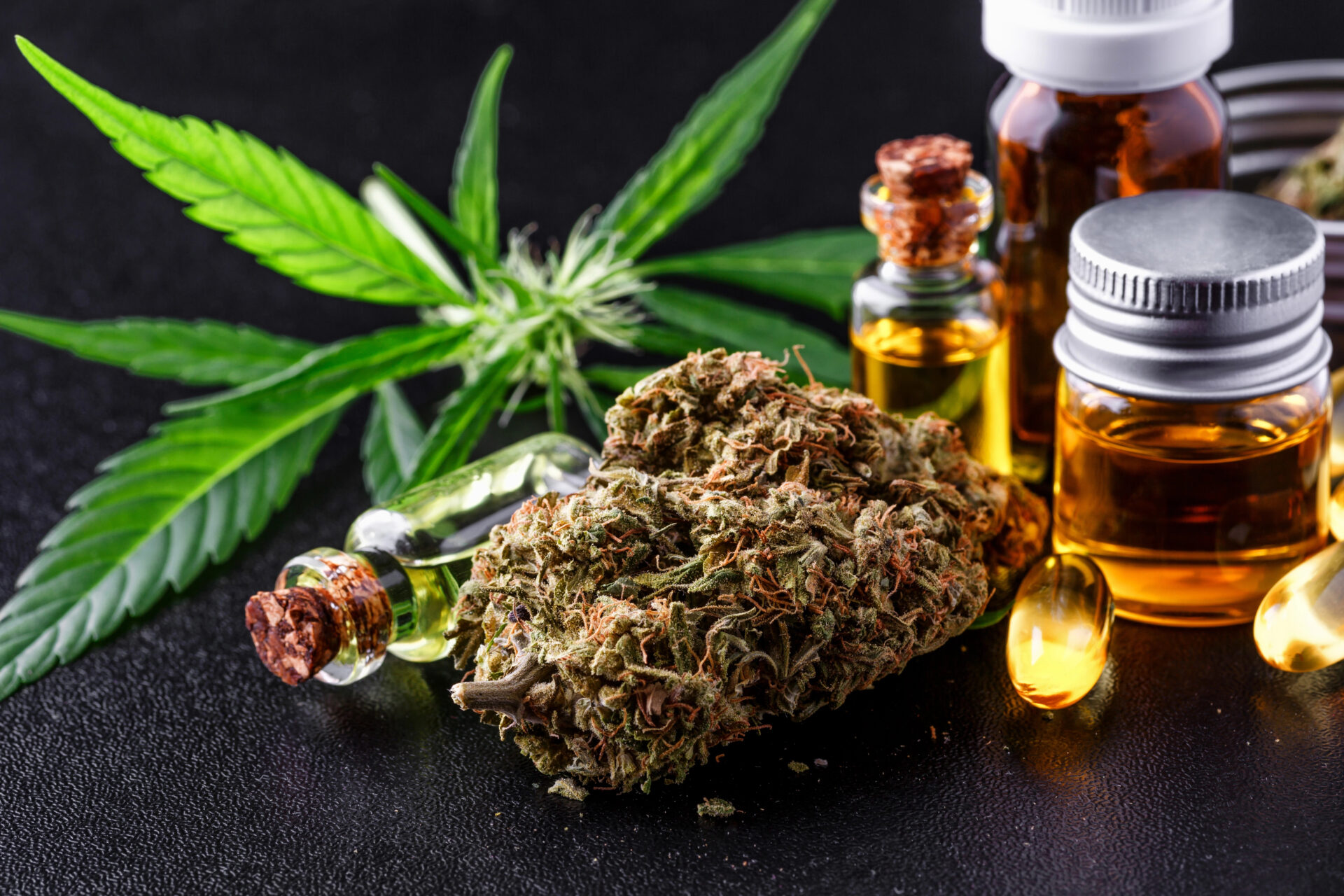
If you’ve ever strolled into a gas station and noticed a colorful display of hemp-derived gummies promising relaxation or a mild buzz, you’re not alone. These products—often marketed as “legal weed”—have flooded the shelves in recent years, exploiting a regulatory loophole carved out by the 2018 Farm Bill. But that loophole may finally be closing, and not a moment too soon.
A new proposal out of a Republican-led House subcommittee aims to put the brakes on the unregulated surge of THC-like edibles that have made their way into nearly every corner store in America. The bill, backed by the House Appropriations Subcommittee on Agriculture, would redefine hemp in a way that bans “quantifiable” levels of THC and its intoxicating cousins from being sold as consumer products. This includes the infamous Delta-8 and Delta-10 compounds, which have been peddled to minors and adults alike with almost no oversight.
Let’s be clear: this is not a war on hemp. It’s a long-overdue course correction. The original 2018 law, signed under President Trump, legalized industrial hemp for agriculture and manufacturing—things like rope, clothing, and CBD oils with negligible THC. But what followed was a market explosion of synthetic, intoxicating compounds derived from hemp, which were never the bill’s intention. “This bill supports the Trump Administration and the mandate of the American people by… closing the hemp loophole,” the subcommittee wrote in its statement. And they’re right.
This isn’t some nanny-state overreach. It’s common sense. Kids can walk into vape shops and walk out with candy-flavored gummies that get them high—legally. That’s not liberty, that’s lawlessness. Conservatives believe in limited government, yes—but not in zero government. When regulation is the difference between a 12-year-old getting stoned and a safe, law-abiding market, we have a duty to act.
The backlash, unsurprisingly, is coming from the hemp industry itself. Jim Higdon, co-founder of Cornbread Hemp, claimed the bill would “destroy the entire American hemp industry.” That’s absurd. What it will destroy is a black-market-style side hustle that’s been masquerading as legitimate commerce. There is still plenty of room for hemp-based textiles, oils, and FDA-approved medicines. But let’s not pretend that getting people high off gas-station gummies is a cornerstone of American agriculture.
Opponents argue that banning these products will empower drug cartels. That’s a scare tactic with no basis in reality. What’s empowering drug cartels is the chaotic patchwork of state laws and the lack of federal standards. If Congress won’t step up and define clear, enforceable boundaries, then yes—bad actors will fill the void. But the answer isn’t to throw our hands in the air. It’s to do what the Trump administration is now signaling: restore order, protect public health, and put American families before corporate profits.
Let’s remember, too, that this isn’t just about public safety. It’s about the dignity of law. When Congress passes a bill intending to legalize industrial hemp, and that bill is twisted into a license for unregulated psychoactive drugs, the law has been hijacked. Fixing that isn’t prohibition—it’s restoration.
There’s nothing conservative about letting a legal gray area become a wild west of THC-laced products. Nor is there anything patriotic about ignoring the consequences for kids, families, and communities. We don’t need to ban hemp—we need to be smart about how it’s regulated. President Trump’s administration got it right in 2018, and Republicans in Congress are getting it right now by returning to that original intent.
The bottom line is this: America needs a responsible hemp policy that protects freedom without sacrificing safety. This bill is a step in the right direction. Let’s not allow the voices of profiteers and pot lobbyists to drown out the will of the people. Conservatives should support this effort not just because it’s politically smart—but because it’s morally right.